
Acne Scars vs Acne Marks: What’s the Difference? (Dermatologist Explains)
Table of Contents
ToggleIf you’ve had acne, chances are you’re dealing with spots that just won’t go away. Some fade slowly, some seem permanent—and that’s where most people get confused.
Is it an acne mark or an acne scar?
This confusion is extremely common, and the truth is: treating the wrong one wastes time, money, and patience. In this article, we’ll clearly explain acne scars vs acne marks, the real difference between acne scars and marks, and answer the question many patients ask us: do acne marks go away?
Understanding Post-Acne Skin Changes
Laser Treatment for Acne Scars
Once an acne breakout settles, your skin starts repairing itself.
If the inflammation affected only the upper layers of the skin, you’re left with a mark.
If it damaged the deeper layers, you’re left with a scar.
Think of it this way:
1. Marks = colour problem
2. Scars = texture problem
This single difference changes everything—from treatment to recovery time.
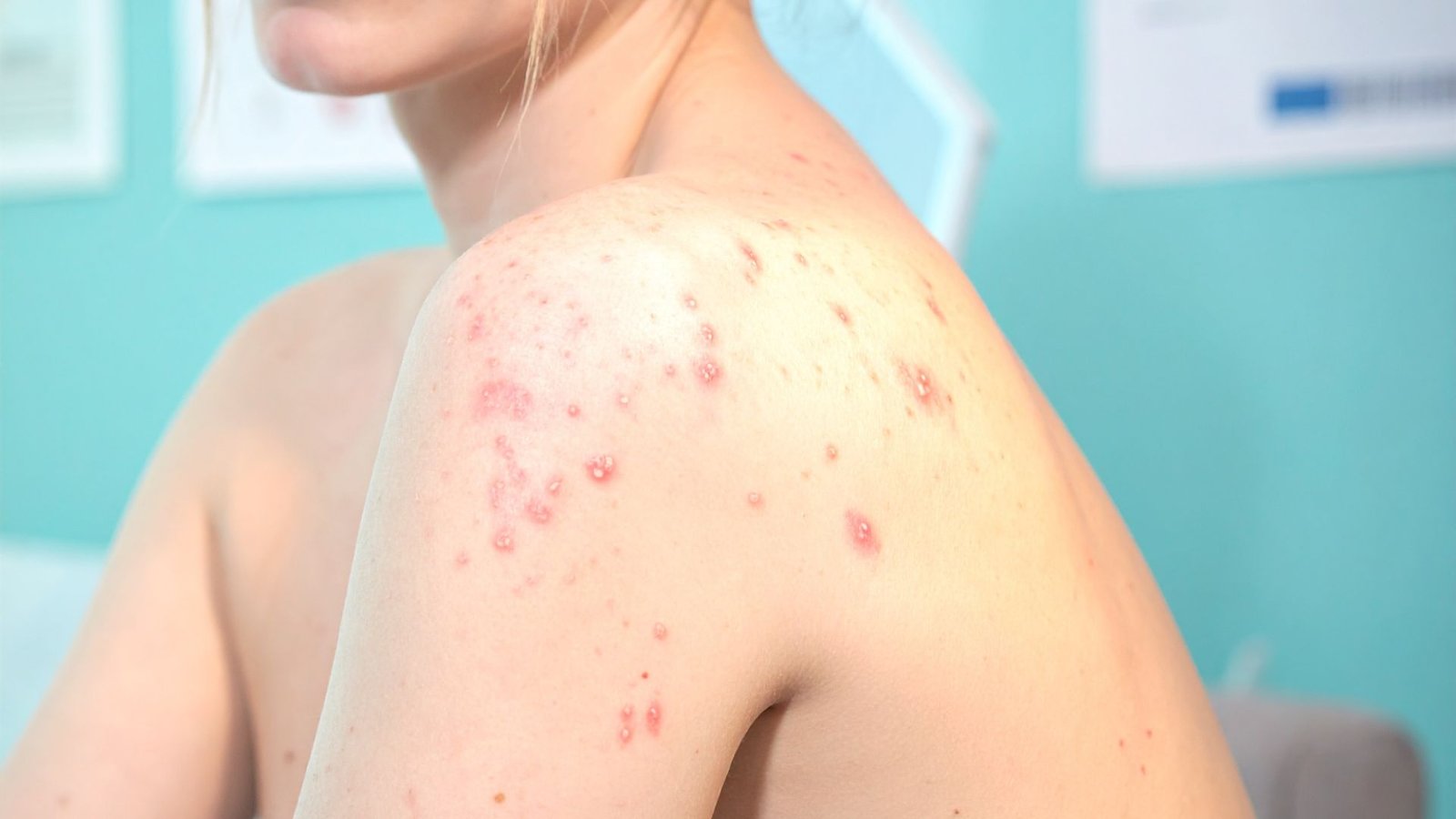
What Are Acne Marks? (Post-Inflammatory Hyperpigmentation)
Acne marks are medically called Post-Inflammatory Hyperpigmentation (PIH). Despite how stubborn they look, they are not permanent.
How Acne Marks Form
After inflammation, the skin produces extra pigment as part of the healing response. This is more common in Indian and darker skin tones, which naturally produce more melanin.
What Do Acne Marks Look Like?
- Flat spots on the skin
- Red, brown, or dark patches
- No dents or raised areas
- Skin feels completely smooth
If makeup covers it easily, it’s probably a mark.
Do Acne Marks Go Away on Their Own?
Yes – most acne marks fade naturally.
For some people it takes a few months, for others close to a year. Sun exposure, skin type, and skincare habits all play a role. With the right treatment, fading can happen much faster.
What Are Acne Scars? (Permanent Skin Damage)
Acne scars are a completely different issue. They occur when acne damages the collagen structure of the skin.
How Acne Marks Form
Severe or long-lasting acne breaks down collagen. When the skin heals, it either:
- Produces too little collagen, creating dents
- Produces too much collagen, creating raised scars
Once collagen is lost or altered, the skin cannot fix it on its own.
What Do Acne Marks Look Like?
- Flat spots on the skin
- Red, brown, or dark patches
- No dents or raised areas
- Skin feels completely smooth
If makeup covers it easily, it’s probably a mark.
Types of Acne Scars
- Ice pick scars – deep, narrow pits
- Boxcar scars – wider, sharp-edged depressions
- Rolling scars – uneven, wavy texture
- Raised scars – firm bumps (less common on the face)
Why Acne Scars Are Permanent
Unlike pigmentation, collagen does not regenerate naturally. This is why acne scars don’t fade with creams or time—they need professional treatment.
Key Differences: Acne Marks vs Acne Scars
| Feature | Acne Marks | Acne Scars |
|---|---|---|
| Texture | Smooth | Uneven, indented, or raised |
| Colour | Red, brown, dark | Skin-coloured |
| Cause | Pigment change | Collagen damage |
| Permanent | No | Yes |
| Fade on their own | Yes | No |
| Treatment | Skincare & peels | Medical procedures |
How to Tell If You Have Acne Marks or Acne Scars
The Texture Test
Close your eyes and gently run your fingers over the area.
If it feels smooth → mark
If you feel dips or bumps → scar
The Time Test
If the spot hasn’t changed in over a year, it’s likely a scar.
When to See a Dermatologist
If you’re unsure, don’t guess. Many patients spend months using pigmentation creams on scars—with zero results. A professional diagnosis saves time and frustration.
Treatment Options for Acne Marks
Acne marks respond very well to treatment when handled correctly.
Topical Treatments
- Vitamin C to brighten skin
- Niacinamide to calm inflammation
- Retinoids to speed up cell renewal
Chemical Peels
Peels like glycolic acid help remove pigmented layers and improve skin clarity over multiple sessions.
Laser Treatment for Pigmentation
For stubborn marks, pigment lasers can significantly speed up fading with minimal downtime.
Why Professional Treatment Is Necessary
No cream can rebuild lost collagen. Acne scars require advanced dermatological treatments such as laser resurfacing, microneedling with PRP, subcision, or combination approaches. The right treatment depends on the type and depth of scars, which is why personalised planning is essential.
Preventing Acne Marks and Scars
Early Acne Treatment
Treat acne early to prevent deep inflammation.
Don’t Pick or Pop
This is one of the biggest causes of scars.
Sun Protection
Sun exposure darkens marks and delays healing. Sunscreen is non-negotiable.
Professional Extraction
If extraction is needed, it should always be done by trained professionals.
Conclusion
If you’re still confused between acne scars vs acne marks, getting clarity is the first step. At Virtue Aesthetic Clinic, we focus on accurate diagnosis and honest treatment plans—so you’re not treating the wrong problem.
Book a consultation and get clear answers, realistic expectations, and the right solution for your skin.
Frequently Asked Questions (FAQs)
Can acne marks turn into scars?
Acne scars only form when acne damages the skin’s collagen during the healing process.
How long do acne marks take to fade?
Anywhere from 3 to 12 months, faster with treatment.
Can darker skin types get acne marks?
Yes, and they’re more common—but also very treatable.
Are home remedies effective?
Most home remedies offer little benefit and can sometimes worsen pigmentation.
Contact Us
1st floor, No. 67/B, N Park St., Secretariat Colony, Venkatapuram, Ambattur, Chennai – 600053