
Chemical Peel Before and After: Real Results from Chennai Patients
Table of Contents
ToggleChemical peel before and after transformations are some of the most searched skincare outcomes online. These significant changes spark curiosity and hope for clear, radiant skin. If you’re thinking about a chemical peel or just want to know what to expect, you’re in the right place.
What Is a Chemical Peel?
A chemical peel is a skin treatment where a chemical solution is applied to the skin to remove dead cells, stimulate collagen production, and reveal smoother skin underneath. Chemical peels vary from superficial to deep, addressing different skin concerns and depths.
How Chemical Peels Work
During a chemical peel, acid-based solutions like alpha hydroxy acids (AHA), beta hydroxy acids (BHA), trichloroacetic acid (TCA), or phenol are applied to the skin. These acids break down the top layer of dead skin cells, starting the skin’s natural healing process. The result is improved texture, even tone, and a revitalized look.
Common Uses for Chemical Peels
- Reducing fine lines and wrinkles
- Fading hyperpigmentation, dark spots, and melasma
- Treating acne and minimizing acne scar
- Smoothing rough or uneven skin texture
- Brightening dull, tired skin
Types of Chemical Peels
Superficial (Light)
- Perfect for first-time users!
- Improves skin texture and luminosity
- Can be done repeatedly without much rest required
- Minimal impact on daily activities
- Used for maintenance and for mild acne problems
Medium Peel
- Perfect for first-time users!
- Improves skin texture and luminosity
- Can be done repeatedly without much rest required
- Minimal impact on daily activities
- Used for maintenance and for mild acne problems
Deep Chemical Peels
Benefits of Chemical Peel Before and After
The chemical peel before and after transformation is remarkable, offering both immediate gratification and lasting benefits. Here’s what you can expect:
- Smoother, Softer Skin: Dead skin cells are sloughed away, revealing a silkier texture.
- Even Skin Tone: Peels fade dark spots, sun damage, and discoloration for a more uniform complexion.
- Reduced Fine Lines: Collagen stimulation helps fill in fine lines and diminish wrinkles.
- Clearer Complexion: Acne, clogged pores, and blackheads are significantly reduced.
- Brighter Glow: Dull, tired skin is replaced with a radiant, youthful appearance.
Chemical Peel Before and After: What to Expect
Let’s walk through the process and see what real chemical peel before and after experiences look like.
Before Your Chemical Peel
- Consult with a board-certified dermatologist or licensed practitioner
- Discuss your skin concerns and goals
- Disclose any medications, allergies, or skin conditions
- Prepare your skin by avoiding exfoliants, retinoids, and waxing for at least a week
- Follow any pre-peel instructions provided by your provider
During the Chemical Peel
- Your skin is cleansed and prepped
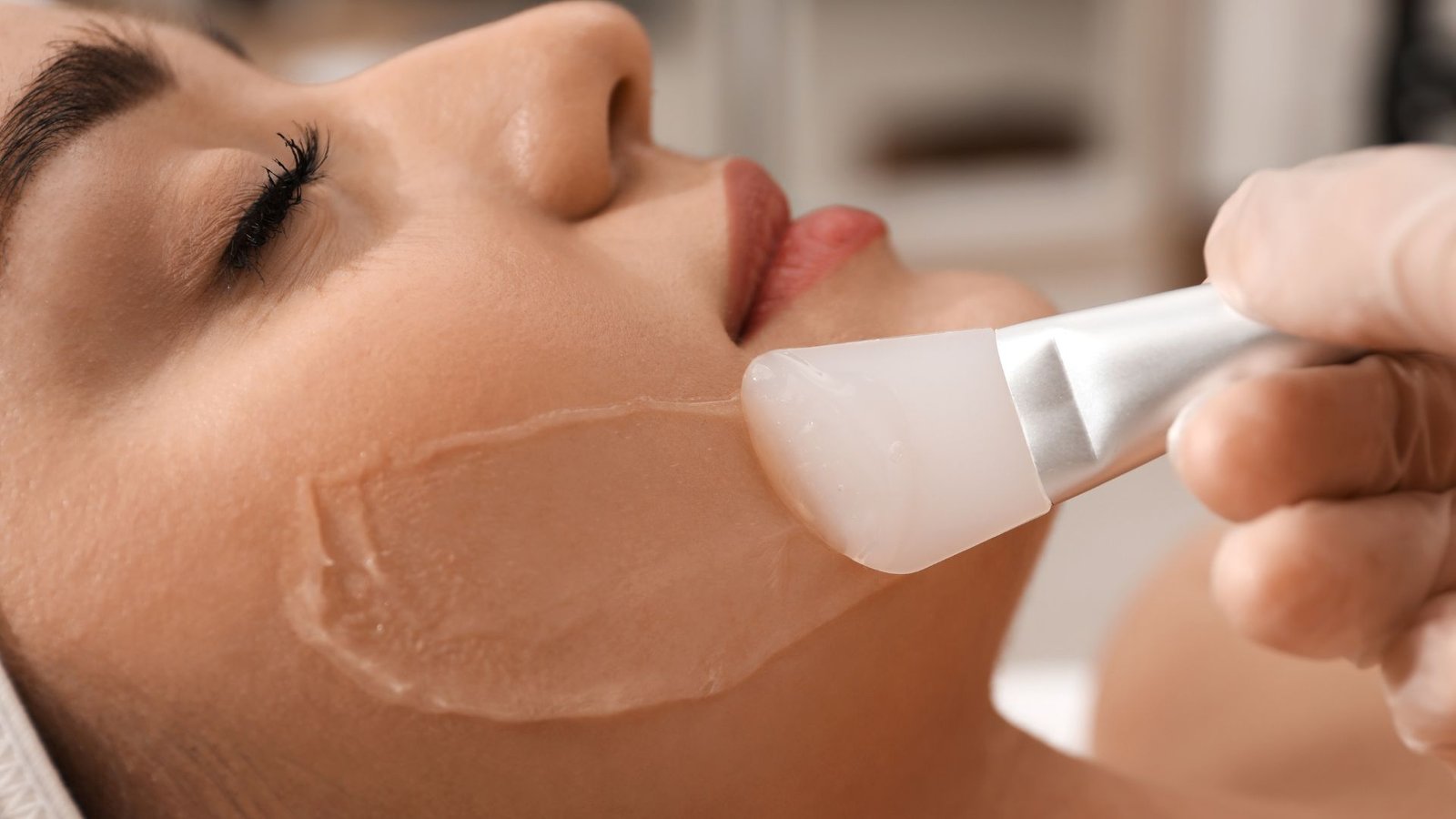
- The chemical solution is applied evenly to the treatment area
- You may feel a tingling, stinging, or warming sensation for several minutes
- After the appropriate time, the solution is neutralized and removed
- A soothing ointment or SPF may be applied
After the Chemical Peel
- Redness, tightness, and mild swelling are common
- Peeling or flaking typically begins within 2–3 days and lasts up to a week for light peels
- Medium and deep peels may cause more intense peeling and require longer downtime
- Refrain from picking, peeling, or scrubbing the skin
- Use gentle, hydrating products and diligent sun protection
Combining Chemical Peels with Other Treatments
Chemical peels can be combined with other treatments for enhanced results. Your dermatologist may recommend:
- Microneedling: Stimulates collagen and improves texture
- Laser Resurfacing: Targets deeper wrinkles and pigmentation
- Microdermabrasion: Gently exfoliates the skin prior to a light peel
- Injectables (Fillers): For comprehensive facial rejuvenation
Always consult a licensed professional to customize a treatment plan tailored to your needs and skin type.
Risks, Side Effects, and Safety Considerations
While chemical peels are generally safe, especially when performed by trained professionals, they do carry some risks and side effects. Understanding these risks is crucial for achieving the best chemical peel before and after results.
- Redness and Irritation: Common and usually temporary, especially with deeper peels.
- Peeling and Flaking: An expected part of the process as dead skin sheds.
- Infection: Rare, but possible if aftercare instructions aren’t followed.
- Hyperpigmentation or Hypopigmentation: More likely in darker skin tones or if sun protection is neglected.
- Scarring: Very rare, but can occur, especially with deep peels or if the skin is picked at.
To minimize risks, always:
- Choose a qualified, board-certified provider
- Follow all pre- and post-peel instructions
- Avoid sun exposure and use broad-spectrum sunscreen daily
- Refrain from picking or peeling the skin
Chemical Peel Cost
Costs vary depending on peel type and sessions required:
- Light peels: ₹2,500–₹6,000
- Medium peels: ₹6,000–₹12,000
- Deep peels: Customised pricing
Packages are often recommended for best results.
Why Choose Virtue Aesthetic Clinic?
At Virtue Aesthetic Clinic, chemical peels are:
- Dermatologist-led
- Customised for Indian skin
- Performed with medical-grade formulations
- Planned with realistic expectations
Our focus is safe improvement, not aggressive over-treatment.
Can You Do Chemical Peels at Home?
Home chemical peel kits are available, but they use much lower-strength acids than professional treatments. While they can provide subtle improvements in texture and brightness, they are not a replacement for in-office peels.
- Always follow instructions carefully to avoid burns or irritation
- Do a patch test before using any new product
- Never attempt medium or deep peels at home
For significant skin concerns or dramatic chemical peel before and after results, consult a dermatologist or licensed esthetician.
Chemical Peels for Different Skin Types & Concerns
- Oily/Acne-Prone Skin: Salicylic acid peels are ideal for unclogging pores and reducing breakouts.
- Dry/Sensitive Skin: Lactic acid peels offer gentle exfoliation with added hydration.
- Pigmentation/Melasma: TCA and glycolic acid peels target discoloration and sun spots.
- Aging Skin: Medium and deep peels stimulate collagen for firmer, smoother skin.
Before & After Results for Chemical Peel Treatment
Pigmentation & Uneven Skin Tone
Before:
Dark patches and uneven skin tone were visible, especially around the cheeks and forehead. The skin appeared dull and tired despite regular skincare.
After:
After a series of chemical peels, pigmentation lightened significantly. The skin tone looked more even and brighter, with a noticeable improvement in overall clarity and glow.
Acne & Post-Acne Marks
Before:
Active acne and lingering dark marks made the skin look congested and uneven. Breakouts were frequent, especially on the cheeks and jawline.
After:
With salicylic and glycolic acid peels, breakouts reduced and post-acne marks faded gradually. The skin appeared clearer, smoother, and more balanced over time.
Dull Skin & Fine Texture Issues
Before:
The skin looked rough with visible dryness and lack of radiance. Makeup tended to sit unevenly on the surface.
After:
Following light chemical peels, the skin texture became smoother and softer. A healthy glow returned, and makeup applied more evenly with a refreshed appearance.
Frequently Asked Questions (FAQs)
How long does it take to see results after a chemical peel?
Results from light peels can appear within a week, while medium and deep peels may take several weeks to heal and show full results.
Are chemical peels safe for all skin types?
Chemical peels are safe for most skin types, but those with darker skin or certain conditions should consult a dermatologist to avoid complications like hyperpigmentation.
What should I avoid after a chemical peel?
- Direct sun exposure
- Exfoliating or harsh skincare products
- Picking or peeling flaking skin
- Strenuous exercise for several days
How often can I get a chemical peel?
Light peels may be performed every 4–6 weeks; medium peels every 3–6 months; deep peels are usually one-time treatments. Always follow your dermatologist’s guidance.
Can I wear makeup after a chemical peel?
It’s best to avoid makeup for at least 24–48 hours after your peel to allow the skin to heal. Your provider will offer personalized guidance.
Conclusion
Chemical peels can deliver impressive, confidence-boosting results when chosen correctly and performed by trained professionals. The key to a successful chemical peel before and after transformation lies in expert assessment, proper technique, and diligent aftercare.
If you’re considering a chemical peel, a professional consultation will help you understand which peel suits your skin and what results you can realistically expect.
Ready to see what a chemical peel can do for your skin?
Contact Us
1st floor, No. 67/B, N Park St., Secretariat Colony, Venkatapuram, Ambattur, Chennai – 600053